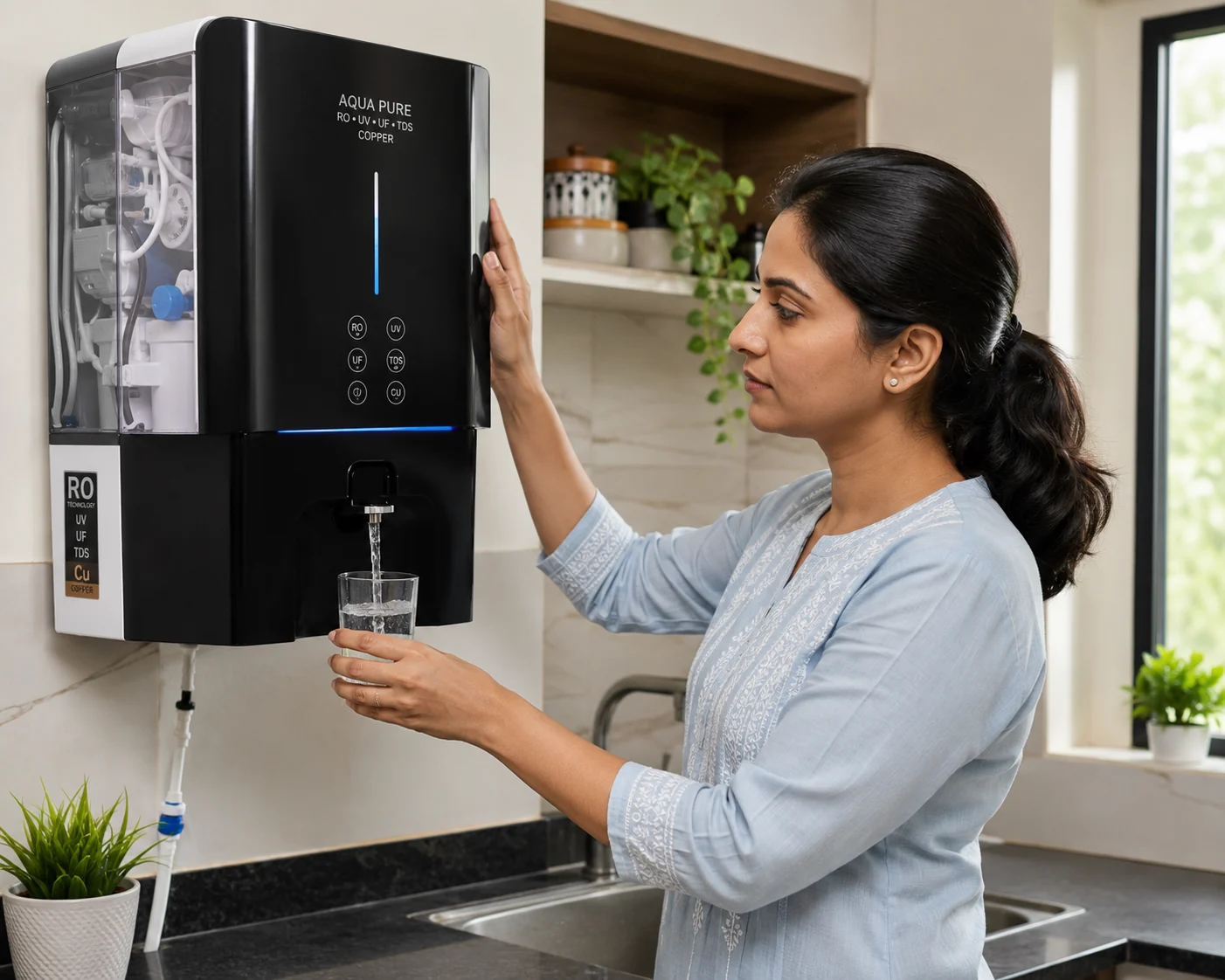
If your drinking water suddenly starts tasting strange, your RO purifier takes forever to fill a bottle, or the machine begins making unusual noises, don’t ignore it. These are common water purifier servicing signs that many homeowners overlook until the purifier stops working completely. A little attention at the right time can save you from costly repairs and, more importantly, ensure your family continues drinking safe, clean water.
At Dailyrecshub, we believe home maintenance should be simple and practical. Here’s how to identify the warning signs before your RO purifier turns into a bigger problem.
Why Regular Servicing Matters
An RO water purifier works hard every day by filtering dust, sediments, harmful bacteria, dissolved impurities, and excess salts. Over time, its filters and membrane naturally wear out.
Ignoring routine RO water purifier maintenance not only reduces water quality but also puts extra pressure on the machine, leading to expensive repairs or complete failure.
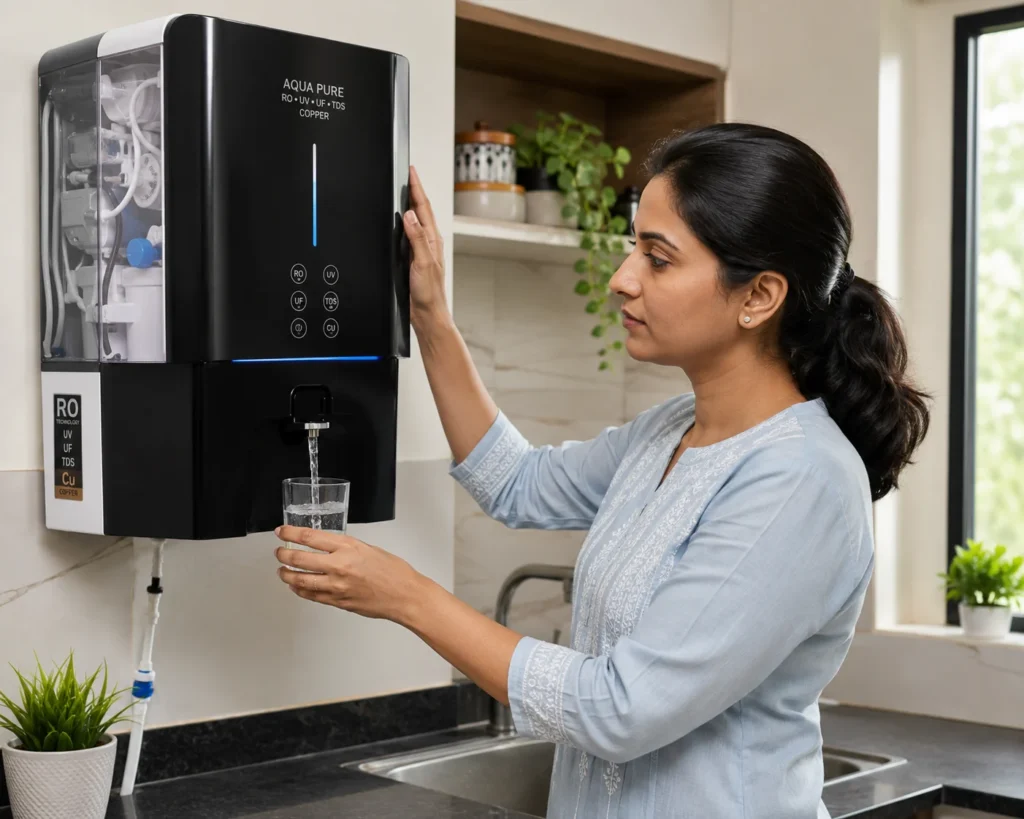
5 Signs Your Water Purifier Needs Servicing
1. Unusual Taste or Smell in Water
One of the earliest water purifier servicing signs is a noticeable change in the taste or smell of your drinking water.
If the water starts tasting metallic, bitter, salty, or has a musty odor, the purifier is no longer filtering contaminants effectively.
Why It Happens
This usually happens because:
- The activated carbon filter has reached the end of its life.
- The RO membrane has become clogged.
- Bacteria have started building up inside old filters.
- The purifier hasn’t been sanitized during servicing.
Many people assume the municipal water supply is responsible, but in my experience, worn-out filters are the most common reason.
What You Should Do
- Flush the purifier once or twice.
- Check if the filters are overdue for replacement.
- Schedule a professional inspection if the taste remains unusual.
Never continue drinking water with a persistent bad taste or smell.
2. Slow Water Flow
Is it taking much longer than usual to fill a glass or bottle?
Reduced water output is another major water purifier servicing sign that shouldn’t be ignored.
Why It Happens
Several components can restrict water flow:
- Sediment filter blocked with dirt
- RO membrane clogged by hard water deposits
- Low inlet water pressure
- Choked post-carbon filter
When filters become dirty, the purifier has to work harder to push water through, resulting in slow production.
What You Should Do
Start with these simple checks:
- Ensure the inlet water valve is fully open.
- Check for kinked water pipes.
- Clean the external pre-filter if your model has one.
If the flow doesn’t improve, it’s time for professional RO water purifier maintenance.
3. Strange Noises from the Machine
RO purifiers normally produce a gentle humming sound while filtering water.
However, loud buzzing, knocking, continuous clicking, or vibrating noises indicate that something isn’t working properly.
Why It Happens
Common reasons include:
- Air trapped inside the system
- A struggling booster pump
- Low water pressure
- Loose internal fittings
- Clogged filters increasing pump load
I’ve seen many homeowners ignore unusual sounds for weeks, only to end up replacing an expensive booster pump later. Early servicing often prevents that.
What You Should Do
- Check if the purifier is mounted securely.
- Ensure adequate water supply.
- Listen for repeated or unusually loud sounds.
If the noise continues, stop delaying service. This is one of the clearest water purifier servicing signs.
4. Water Looks Cloudy or Has Visible Particles
Filtered water should always look crystal clear.
If you notice floating particles, cloudiness, or tiny white or black specks, your purifier requires immediate attention.
Why It Happens
Possible causes include:
- Damaged sediment filter
- Carbon particles from an old carbon filter
- Torn filter cartridge
- Internal contamination
- Poor-quality replacement filters
Sometimes tiny air bubbles create temporary cloudiness that disappears within a minute. But if particles remain visible, the purifier should not be used until it’s inspected.
What You Should Do
Use this quick checklist:
- ✔ Check whether cloudiness disappears after one minute.
- ✔ Inspect the storage tank for cleanliness.
- ✔ Avoid drinking the water if particles remain.
- ✔ Schedule servicing and filter replacement immediately.
These are common RO filter replacement signs that shouldn’t be ignored.
5. It’s Been More Than 6–12 Months Since the Last Service
Sometimes there are no obvious symptoms.
Your purifier may appear to be working normally while its filters are already past their effective lifespan.
Why It Happens
Every filter has a recommended service life.
Even if the purifier isn’t used heavily, filters slowly become less effective due to trapped impurities, bacterial growth, and mineral buildup.
This is why manufacturers recommend periodic servicing rather than waiting for a breakdown.
What You Should Do
If you can’t remember the last service date, it’s probably time to schedule one.
Regular servicing typically includes:
- Complete filter inspection
- RO membrane health check
- Sanitizing the storage tank
- Leak inspection
- Water TDS testing
- Performance testing
If you’ve been wondering when to service RO purifier, the safest answer is before you notice any major problems.
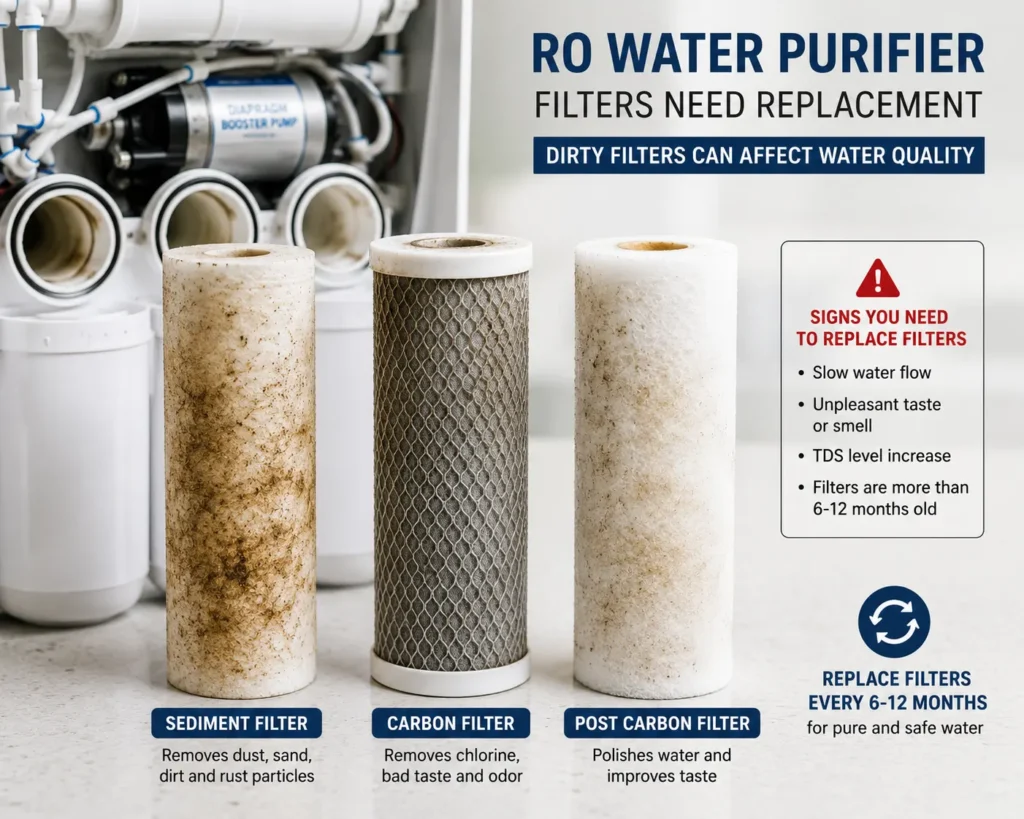
How Often Should You Service Your Water Purifier?
Service intervals depend on your water quality, daily usage, and purifier model.
| Component | Recommended Interval |
|---|---|
| Sediment Filter | Every 6–9 months |
| Carbon Filter | Every 6–12 months |
| RO Membrane | Every 2–3 years (depending on water quality) |
| UV Lamp (if available) | Around 12 months |
| Complete Professional Service | Every 6–12 months |
| Storage Tank Cleaning | During every scheduled service |
If your home receives hard water or water with high sediment levels, you may need more frequent RO water purifier maintenance and also have to check timely water purifier servicing signs
DIY Checks vs When to Call a Professional
Not every issue requires immediate repair, but knowing the difference can save both time and money.
You Can Check Yourself
- Water inlet valve is open
- No pipe is bent or leaking
- Storage tank is full
- Power supply is working
- Visible external leaks
- Service indicator light (if available)
Call a Professional If
- Water tastes or smells unusual
- The purifier is making loud noises
- Water production remains very slow
- Visible particles appear in filtered water
- Water is leaking internally
- The machine keeps switching on and off repeatedly
- Filters or membrane need replacement
Attempting internal repairs without proper tools can damage delicate components or void the warranty.
Final Thoughts
Your water purifier quietly protects your family’s health every single day, but like any appliance, it needs regular care. Paying attention to these water purifier servicing signs can help you avoid costly breakdowns, improve water quality, and extend the life of your RO system.
If you noticed even one of the warning signs discussed above, don’t wait until the purifier stops working completely. Take a few minutes today to inspect your machine, check your last service date, and schedule maintenance if needed. A small service today can prevent a much bigger repair bill tomorrow.
Suggested Internal Linking Opportunities
- Complete Kitchen Appliance Maintenance Checklist for Every Indian Home
- RO vs UV vs UF Water Purifiers: Which One Is Best for Your Home?
- How to Increase the Lifespan of Home Appliances with Simple Maintenance Tips
- Induction vs Gas vs Microwave Cooking: Which One Should You Choose?
Love simple home maintenance tips like these? Join the Dailyrecshub community on Pinterest, for daily home & kitchen inspiration, appliance care guides, cleaning hacks, and practical DIY tips. Save your favorite ideas, share them with family, and never miss a helpful update!